Blog Details
Stay ahead with the newest advancements in AI automation. Discover product improvements, feature releases,

Research
Feb 12, 2026
AI automation transforms workflows by combining intelligence.
Workflows have always reflected the tools available at a given time. From manual processes to basic software automation, each shift aimed to reduce effort and increase efficiency. Today, artificial intelligence represents the next major leap, not by replacing workflows entirely, but by enhancing them with the ability to learn, adapt, and reason. This evolution marks a transition from rule-based execution to intelligent decision-making embedded directly into everyday operations.
Intelligence as the Core of Modern Automation
Traditional automation follows predefined instructions and produces predictable outcomes. AI automation, however, introduces intelligence into the process by analyzing data, recognizing patterns, and adjusting actions in real time. This combination allows workflows to move beyond repetition and into problem-solving, enabling systems to respond dynamically to changing conditions rather than waiting for human intervention.
How AI Enhances Decision-Making Within Workflows
When intelligence is integrated into workflows, decisions are no longer isolated moments handled by individuals. AI systems continuously evaluate inputs, historical data, and contextual signals to support or even automate decisions. This leads to faster responses, reduced errors, and more consistent outcomes, especially in environments where speed and accuracy are critical.

The Impact on Productivity and Efficiency
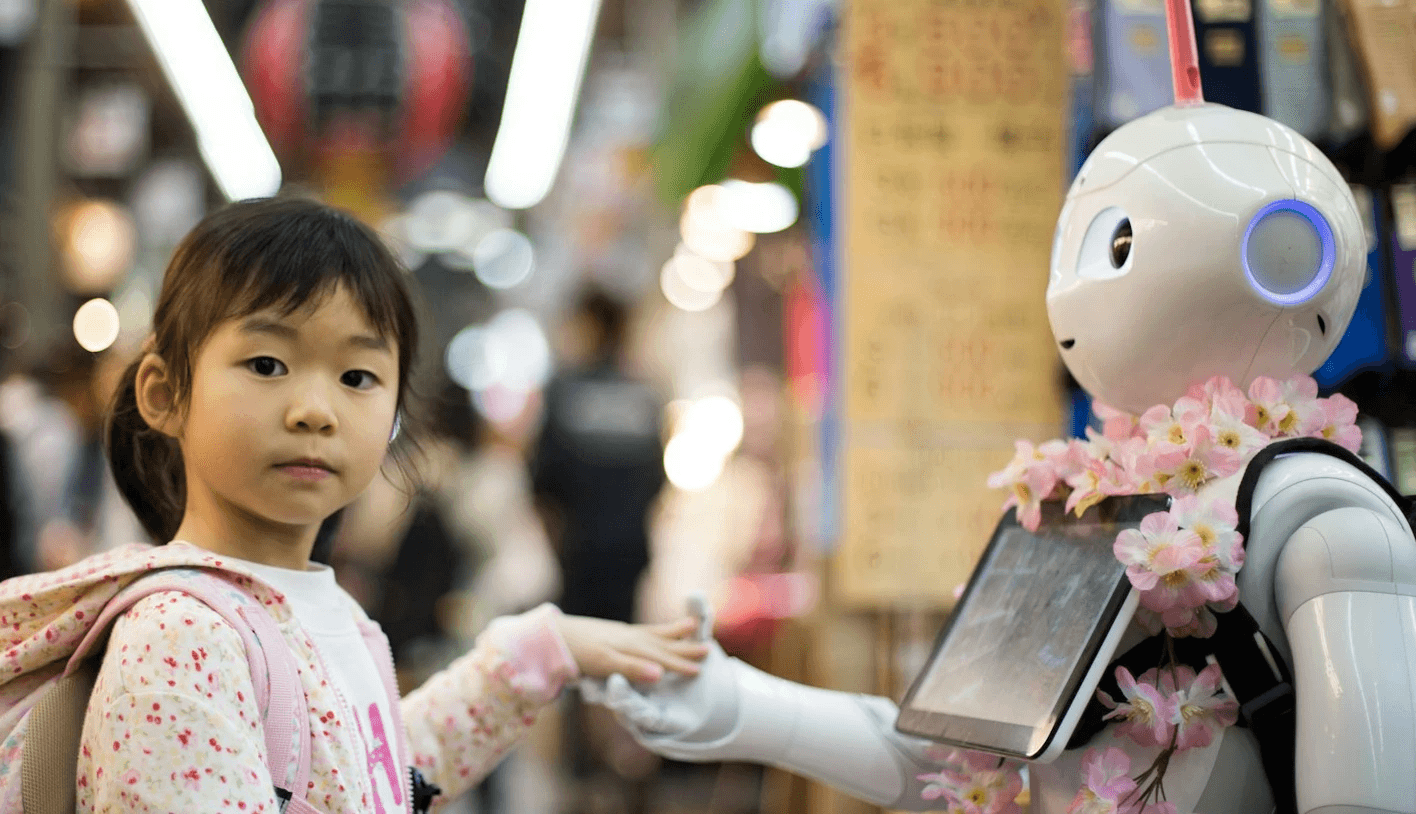
AI-powered workflows significantly alter how work is distributed and executed. By handling data-heavy and cognitively demanding tasks, intelligent automation frees human workers to focus on strategy, creativity, and complex judgment. The result is not just faster workflows, but smarter ones that optimize resources and reduce operational friction across organizations.
Adaptability in a Rapidly Changing Environment
One of the most transformative aspects of AI automation is adaptability. Intelligent workflows can learn from new data and refine their behavior over time. This makes them resilient in the face of market shifts, customer behavior changes, or internal process adjustments. Instead of redesigning workflows from scratch, organizations can rely on AI systems to evolve alongside their needs.